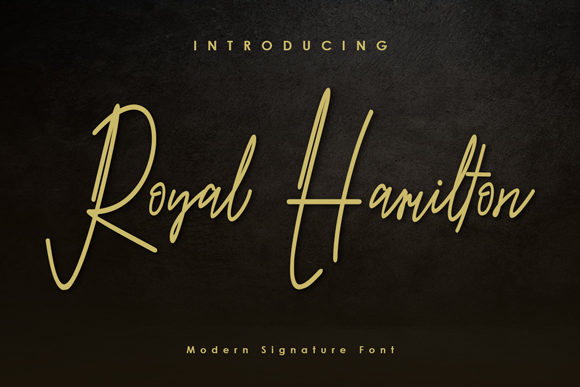
Royal Hamilton: A Font for Polished Branding
As a small business owner, I’ve learned that the right font can make all the difference in how a brand is perceived. Recently, I was tasked with updating a bakery’s packaging and realized that the current font wasn’t doing justice to their warm, inviting personality. That’s when I discovered Royal Hamilton—a handwritten script font that felt both elegant and approachable.
What Is Royal Hamilton?
Royal Hamilton is a premium font that blends the softness of handwriting with the refinement of a well-crafted typeface. Its flowing lines and subtle flourishes give it a personal touch, making it ideal for businesses that want to convey authenticity and creativity. The font feels like it was written by hand, yet it maintains a level of consistency that’s essential for professional branding.
Its style is versatile enough to work on everything from wedding invitations to product labels. It has a friendly, welcoming mood that can be adjusted depending on the context—whether it’s used for a bold headline or a delicate accent.
Real-World Use Cases
One of the first places I applied Royal Hamilton was on a skincare label. The brand wanted something that felt natural and trustworthy, and the font’s organic shape did just that. It paired beautifully with a clean sans serif for the ingredient list, creating a balance between elegance and readability.
I also used it on a café menu. The font added a touch of sophistication without being too formal. It worked well as a headline for each section, while the body text remained legible for customers reading from a distance. The result was a menu that felt more polished and cohesive.
For a boutique selling handmade candles, Royal Hamilton was perfect for jar labels. The font’s fluidity matched the product’s artisanal nature, and its legibility on small spaces made it practical for use on packaging. It helped create a consistent look across all products, reinforcing the brand’s identity.
When to Use Royal Hamilton
Royal Hamilton excels as a display font. It works best for headlines, logos, and short phrases where visual impact matters. It’s not the best choice for long paragraphs, but when used strategically, it can elevate the overall design of a project.
It’s particularly effective for packaging titles, social media graphics, and website banners. Its handwritten quality adds a personal touch that can differentiate a brand in a crowded market. For example, using it on an Instagram post header gives a sense of warmth and individuality that other fonts might lack.
However, it’s important to consider legibility. On small labels or mobile screens, the font can become difficult to read if not used carefully. A good rule of thumb is to keep text size at least 14px for printed materials and 16px for digital use.
Font Pairing Ideas
Pairing Royal Hamilton with a clean sans serif like Montserrat or Poppins can create a balanced look that’s both modern and readable. For a more traditional feel, combining it with an elegant serif font like Playfair Display can add depth and contrast.
If you’re going for a more casual or creative vibe, pairing it with another script font like Great Vibes can work well—but be cautious about overcomplicating the design. A single script font often has more impact than multiple ones.
For digital ads or web design, using Royal Hamilton as a highlight or heading with a simple sans serif for body text ensures clarity without sacrificing style.
Considerations Before Using Royal Hamilton
Before applying Royal Hamilton to your branding, check what styles and file formats are included. Some fonts come with multiple weights or alternate characters that can add flexibility. Ligatures and multilingual support are also worth considering if your audience speaks different languages.
Make sure to review the commercial licensing terms. Many fonts allow for use on products, packaging, and digital assets, but it’s always good to verify. This is especially important if you’re using the font for client work or reselling designs.
Overall, Royal Hamilton is a valuable addition to any designer’s toolkit. It brings a human element to typography that can help small businesses stand out and connect with their audience on a more personal level.
Whether you’re redesigning a menu, updating product labels, or building a new brand identity, Royal Hamilton offers a unique blend of beauty and functionality. It’s a font that doesn’t just look good—it helps tell a story that resonates with customers.